Beyond the Stage: When Zip Code Determines Student Access
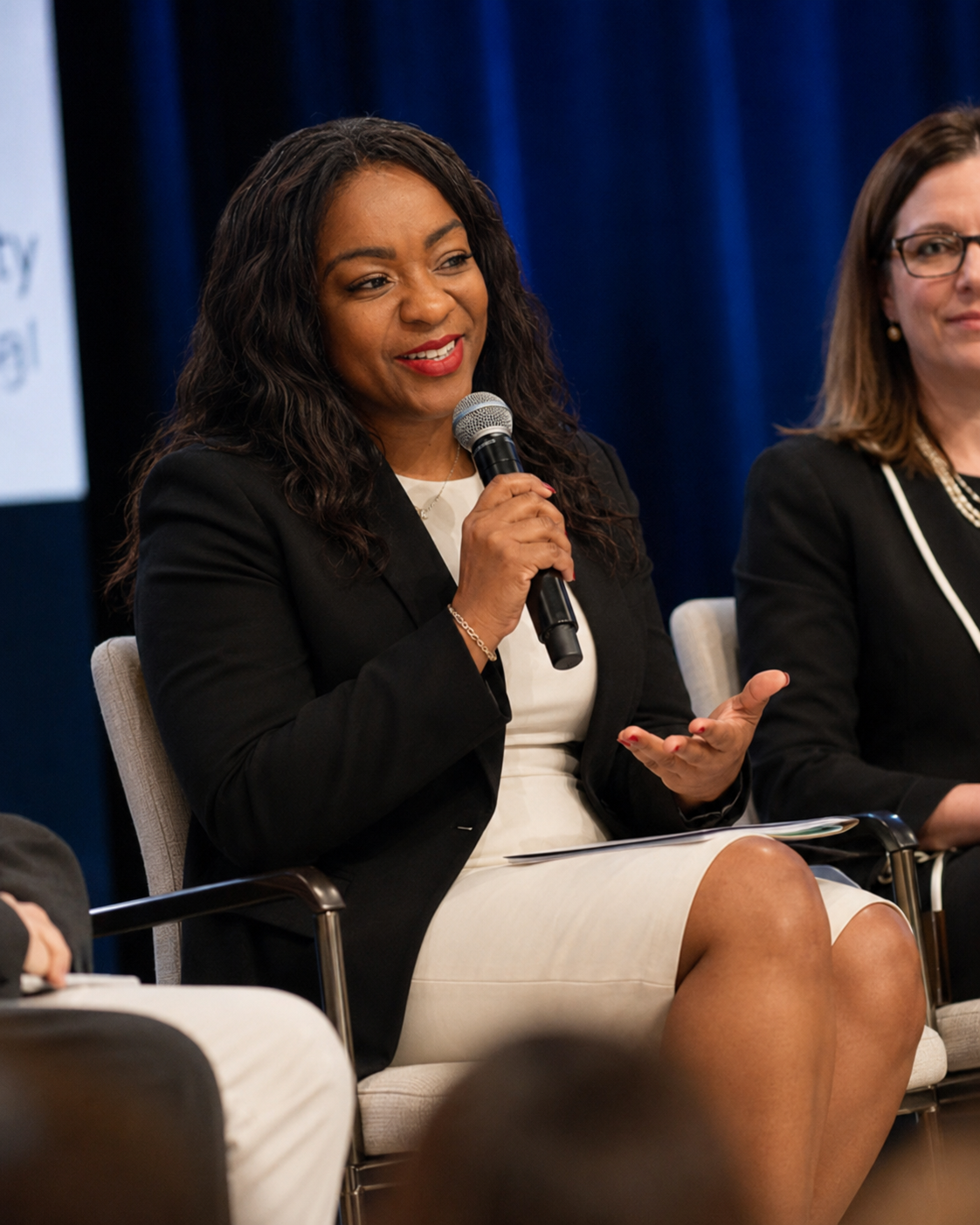
A student’s zip code should never determine access to a high-quality Fine Arts education.
In Texas, Fine Arts has a clear place in the required curriculum. The Texas Education Agency identifies art, dance, music, and theatre as Fine Arts disciplines. Districts and open-enrollment charter schools must offer an enrichment curriculum that includes Fine Arts, provide sufficient instructional time for students to learn the required standards, and ensure students complete required Fine Arts coursework before graduation. (Texas Education Agency)
The state requirement establishes a floor. Equity requires a deeper examination of what students actually receive.
Fine Arts access is often discussed through course availability. Course availability is the starting point. Quality is the equity test. A campus may offer a Fine Arts course while lacking certified staffing, instructional time, facilities, materials, transportation, administrative support, community partnerships, and the program infrastructure needed for students to receive a strong creative education.
In one district, a student may have access to multiple Fine Arts disciplines, experienced certified teachers, appropriate facilities, private lesson structures, arts partnerships, booster support, travel opportunities, summer programming, performance venues, and administrators who understand program development.
In another district, a student may have one course option, limited supplies, reduced instructional time, inconsistent staffing, crowded classes, minimal performance support, and a teacher carrying the program through personal sacrifice.
Both students may appear to have Fine Arts access on paper. The quality of access is different.
The Houston Data Deserves District-Level Attention
This issue is visible in Houston.
Arts Connect Houston’s 2024–2025 State of the Arts in HISD Report found that 15 percent of campuses reported having no Fine Arts teachers during the 2024–25 school year. The same report found that 65 percent of HISD high schools had more than 220 students per Fine Arts teacher. Arts Connect recommended hiring more certified Fine Arts teachers, reducing student-to-Fine-Arts-teacher ratios, eliminating arts deserts, including the arts in every campus strategic plan, and ensuring Fine Arts representation in school governance. (Arts Connect Houston)
A campus without a Fine Arts teacher has a student access problem, a staffing problem, and a program equity problem. The concern extends beyond scheduling. It affects campus culture, family engagement, creative development, and the opportunities students are able to experience during the school day.
Houston Chronicle reporting on HISD arts education also found that roughly 20 percent of surveyed HISD high schools and 27 percent of surveyed HISD middle schools offered fewer Fine Arts courses than required by TEKS in 2023–24. The same reporting noted that campuses with no arts partnerships increased from 15 percent in 2018 to 22 percent in 2024. (Houston Chronicle)
That data belongs in strategic planning, budget discussions, staffing decisions, and school improvement conversations.
Funding Decisions Shape Fine Arts Access
Fine Arts access is shaped by budgets, even when the arts are absent from the funding conversation.
The Texas Tribune reported in 2025 that Texas’ basic allotment remained at $6,160 after several years of stagnation and that inflation-adjusted per-student funding had declined in recent years. The Tribune also reported that the state’s share of per-student funding had decreased significantly over the prior decade before a recent shift in state funding. (The Texas Tribune)
When flexible funding is strained, districts make tradeoffs. Staffing, class sizes, supplies, professional learning, transportation, facilities, and program support compete with other urgent needs. Fine Arts programs often feel the pressure because they require public-facing outcomes and operational investment at the same time.
A district can feature students at public events while underfunding the conditions that produce strong programs. A campus can praise the arts while leaving Fine Arts educators to solve staffing, materials, facilities, and scheduling challenges alone.
That is a leadership issue.
IDRA’s 2025 analysis of Texas House Bill 2 stated that the bill shifted $8.5 billion into teacher pay and program-specific allotments, while the basic allotment remained stagnant. IDRA also noted that the new allotment structure created more restricted funding categories, reducing district flexibility to address local needs. (IDRA)
That matters because Fine Arts programs often rely on flexible dollars for staffing, materials, facilities, transportation, professional learning, and local program needs.
Instructional Time Is Part of Access
Funding is one part of the access equation. Instructional time is another.
In Conroe ISD, the Houston Chronicle reported that implementation of the Bluebonnet Curriculum reduced Fine Arts instructional minutes for some students because of mandated instructional time in other subjects. At Mitchell Intermediate, a band director reported that students who previously received 45 to 50 minutes of daily instruction would receive 35 minutes, which he calculated as roughly 30 fewer instructional days across the school year. (Houston Chronicle)
That example shows how access can narrow through scheduling decisions. A Fine Arts course may remain on the master schedule while students receive less instructional time, less preparation, and fewer opportunities to develop skill over the year.
Access should be measured by what students actually receive: certified educators, instructional minutes, course options, facilities, materials, safety, administrative support, and sustained opportunity.
Texas Data Supports the Value of Arts Access
Current Texas data supports the educational value of arts access.
The Texas Cultural Trust’s 2025 State of the Arts Report reported that Texas students highly engaged in the arts were up to 46 percent more likely to pass Texas Success Initiative criteria, twice as likely to meet Advanced Placement or International Baccalaureate exam criteria, and 20 percent more likely to earn college dual credit achievements. (Texas Cultural Trust)
The Texas Cultural Trust also reported that high school students enrolled in more arts courses had better school attendance by 2 percent, equal to six school days per year. The same 2025 reporting identified equity concerns across Texas: 61 percent of teachers providing elementary arts instruction were not certified in the arts, and suburban secondary schools offered 59 percent more arts courses than rural schools. (Texas Cultural Trust)
Those findings connect directly to the zip code issue. Where a student lives can influence course availability, teacher certification, instructional time, program quality, and the level of support attached to creative learning.
Houston-based research also supports the case for access. A randomized study of Houston’s Arts Access Initiative found that increased arts education experiences reduced disciplinary infractions by 3.6 percentage points, improved STAAR writing achievement by 0.13 of a standard deviation, and increased students’ compassion for others. For elementary students, the study also found gains in school engagement, college aspirations, and arts-facilitated empathy. (National Endowment for the Arts)
These outcomes connect Fine Arts access to engagement, discipline, writing, empathy, belonging, and student development. These are core educational concerns.
The Equity Question for Districts
The strongest district-level question is this:
Do all students have access to high-quality Fine Arts learning, or does access depend on campus assignment, neighborhood resources, and local leadership priorities?
A course listing is a starting point. A strong program requires certified educators, protected instructional time, appropriate facilities, aligned budgets, professional learning, family engagement, student leadership structures, community partnerships, and district-level monitoring of access and quality.
A district serious about Fine Arts equity should be able to produce a campus-by-campus Fine Arts Access Profile and use that data to guide district-level decision-making.
That profile should examine five areas:
Staffing and CertificationEvery campus should have access to certified Fine Arts educators. District leaders should be able to identify where vacancies, uncertified assignments, staffing ratios, or inconsistent placement patterns are limiting student opportunity.
Course Access and Program BreadthDistricts should monitor which Fine Arts disciplines are available at each campus, how often courses are offered, and whether students have access to a full creative pathway instead of a minimum course offering.
Instructional Time and FacilitiesAccess should include sufficient instructional minutes, appropriate learning spaces, safe facilities, equipment, materials, and master schedule structures that allow programs to develop with consistency.
Student Participation and Program SustainabilityDistricts should track enrollment, retention, student-to-teacher ratios, participation costs, fundraising dependence, and barriers that prevent students from fully engaging in Fine Arts programming.
Instructional Leadership and District RepresentationFine Arts educators should be present in district-level instructional conversations. Their expertise belongs in curriculum planning, professional learning design, strategic planning, school improvement work, budget conversations, and decisions that shape student access. Fine Arts educators are instructional leaders, program designers, culture builders, and specialists in student engagement. Their voices should be prioritized in the same rooms where academic programs, staffing models, instructional priorities, and student support systems are discussed.
A Fine Arts Access Profile would give districts a clearer picture of where opportunity is strong, where access is thin, and where students are receiving a version of Fine Arts that meets compliance without meeting the standard of quality they deserve.
Fine Arts equity has to be examined through staffing, certification, funding, scheduling, facilities, instructional time, student participation, program support, and district-level instructional leadership.
Fine Arts educators belong in the district building because their work sits at the intersection of instruction, culture, student engagement, program design, and community connection. Their expertise should help shape the decisions that determine whether students receive meaningful access or minimum access.
When districts study access honestly, prioritize Fine Arts voices in decision-making, and build systems that support every campus, a student’s zip code no longer determines access to a high-quality Fine Arts education.